
Aseptconn Blog

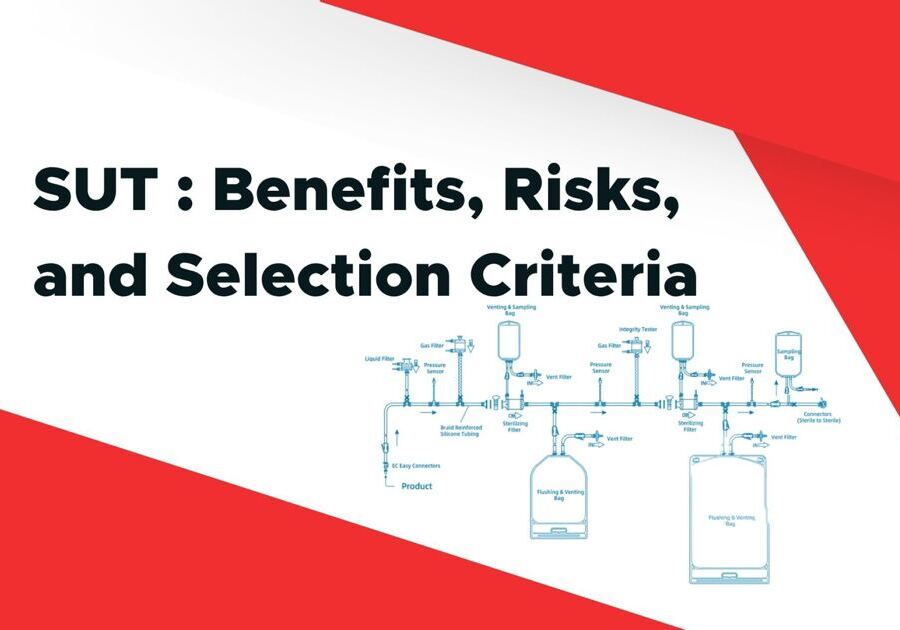
Single-Use Assemblies in Biopharma: Benefits & Selection
Benefits, risks, and selection criteria for single-use assemblies in biopharma — plus the most common specification mistakes and how to avoid them.

AI Is Redefining Data Center Cooling
Artificial intelligence is driving higher power densities in data centers, making liquid cooling essential. Discover why fluid management has become a strategic factor in ensuring performance, energy efficiency, and infrastructure uptime.
Digital Process Design: From Static P&ID to Smart Model
Plant engineering in the pharmaceutical and biopharmaceutical industry is under enormous time, cost, and compliance pressure. But what happens when functional requirements change at short notice during the design process?
Dead Legs in Pharmaceutical Systems: Detection, Risks, and Prevention
Dead legs in pharmaceutical piping systems increase contamination risks and reduce CIP/SIP efficiency. Learn how to detect, prevent, and correct them.

How Filling Needles Shape Aseptic Success
Often underestimated, aseptic filling needles directly influence product quality, regulatory compliance, and process performance.
Why Component Selection Determines the Robustness of a Pharmaceutical Process
Component choices define process stability. Robustness, compliance, and cleanability are built at interfaces, not in equipment alone. Details determine long-term performance and risk control.

What Is the Difference Between Pipe-Flow Calculations and CFD Simulations?
In pharmaceutical processes, intuition is not enough. This article explains how pipe-flow calculations and CFD simulations enable the design of reliable, high-performance and compliant fluid systems from the earliest design stages.
The Importance of Polishing and Surface Finishing of Stainless-Steel Components in Pharmaceutical Environments
The surface finish of stainless-steel components is critical in pharma, as it determines sterility, cleanability, and contamination prevention.
The Language of Pharma: Understanding the Key Terms, Standards, and Regulations
This glossary aims to make that language accessible, whether you are a process engineer, quality manager, or a technical partner in sterile fluid handling.